The History of the Museum
The Old Operating Theatre Museum and Herb Garret is governed by the Lord Brock Trust, a Charitable Incorporated Organisation registered under number 1155078.
It is one of London’s most remarkable surviving medical heritage sites, offering a rare insight into the practice of healthcare before the advent of modern surgery and anaesthesia.
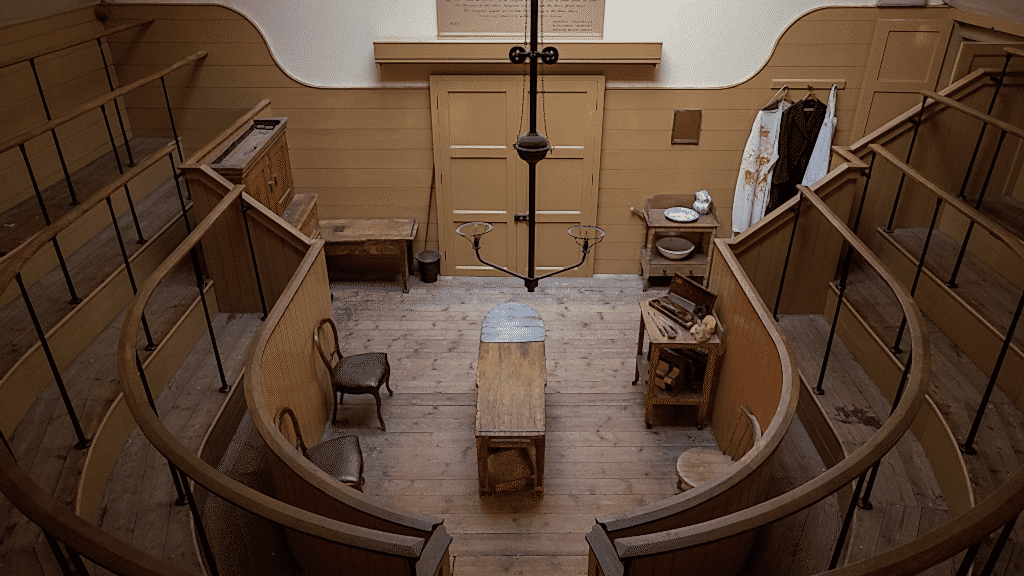
The Museum is housed within the roof space of St Thomas’ Church, which opened in 1703 and remains the oldest surviving structure from St Thomas’ Hospital’s original Southwark site. During the eighteenth century, this attic space was used as the hospital’s herb garret, where the apothecary dried medicinal plants required for the preparation of treatments and remedies.
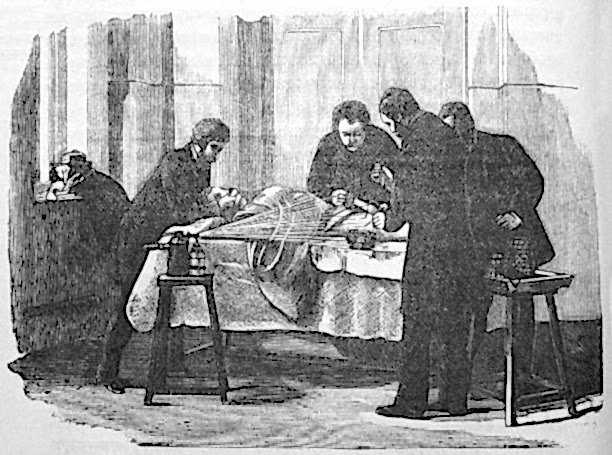
In 1822, the space was adapted to meet the growing demands of hospital care and was converted into a women’s operating theatre, directly connected to the neighbouring Dorcas Ward. Surgical procedures were carried out here in full view of medical students, reflecting the teaching practices of the period and the realities of surgery before anaesthesia, antisepsis, and effective pain relief.
The church roof space was vacated in 1862 when St Thomas’ Hospital relocated from Southwark to Lambeth, following compulsory purchase of the site to allow for the expansion of London Bridge railway station. The garret was subsequently boarded up and left untouched for almost a century. Rediscovered in 1956, the space was recognised as a unique survival of early nineteenth century medical practice. Since 1962, it has operated as an independent museum, preserving and interpreting this extraordinary site for future generations.
Today, the Old Operating Theatre Museum and Herb Garret continues to explore the history of surgery, medicine, and healthcare through its collections, exhibitions, and education programmes.